-
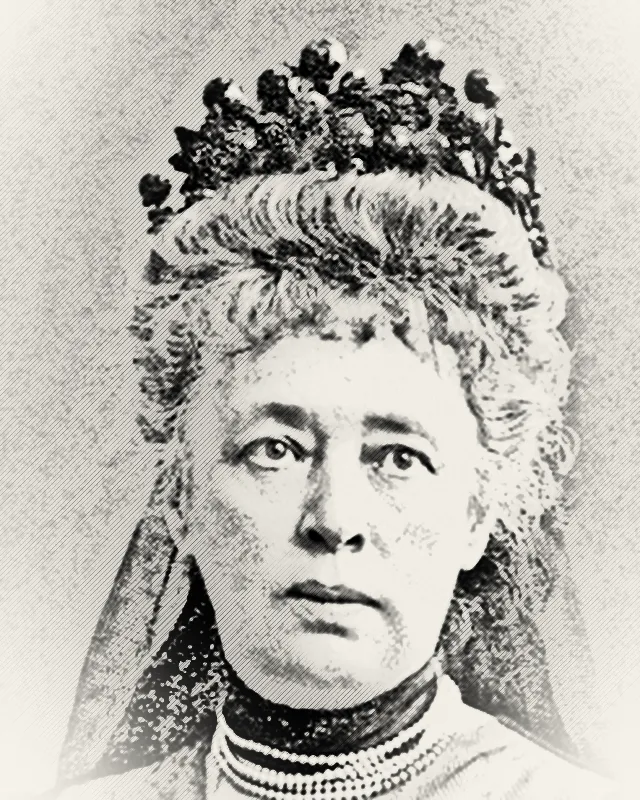
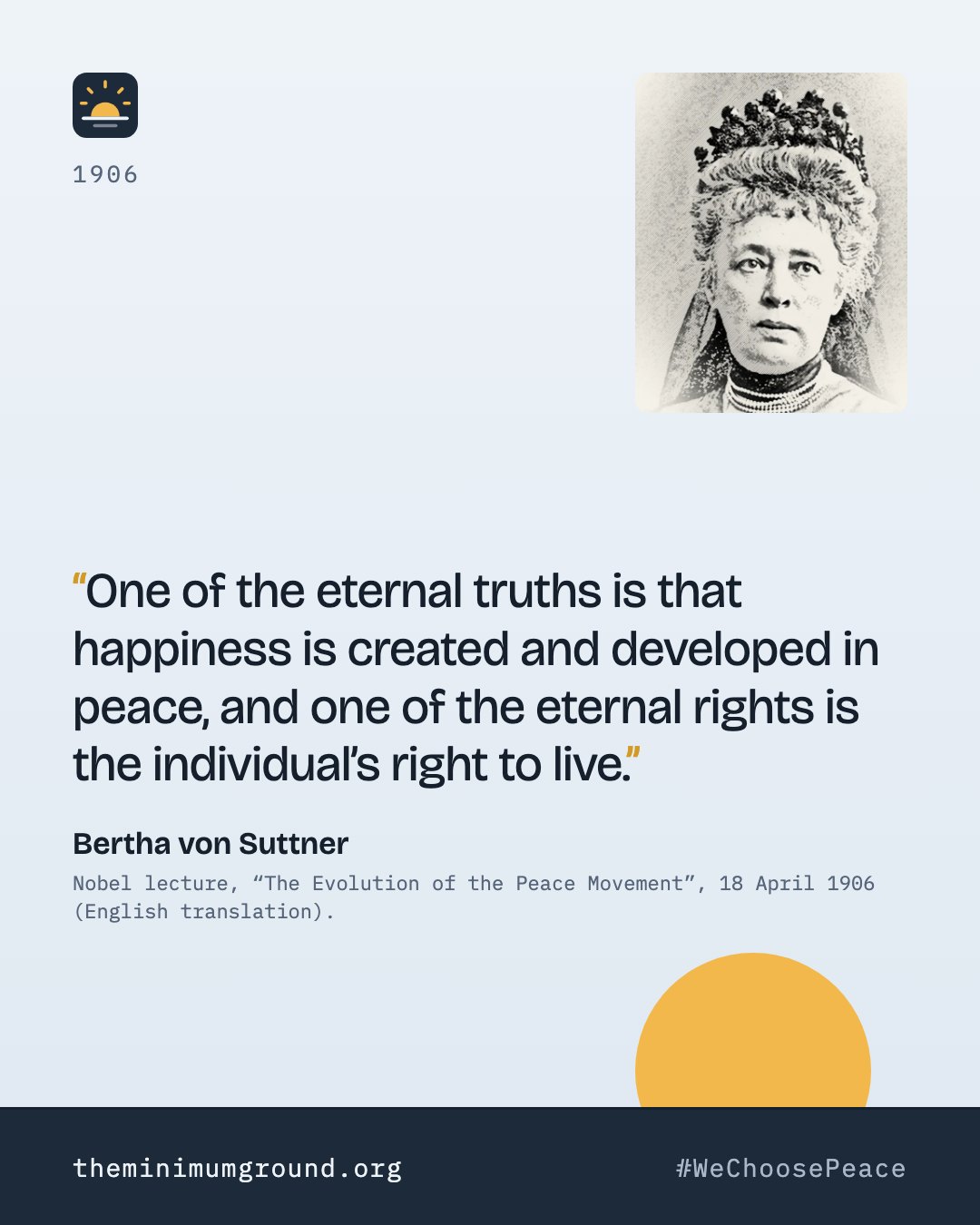
1906
One of the eternal truths is that happiness is created and developed in peace, and one of the eternal rights is the individual’s right to live.
Bertha von SuttnerAustrian novelist and pacifist (1843–1914), the first woman to receive the Nobel Peace Prize
Nobel lecture, “The Evolution of the Peace Movement”, 18 April 1906 (English translation). Read the lecture
-
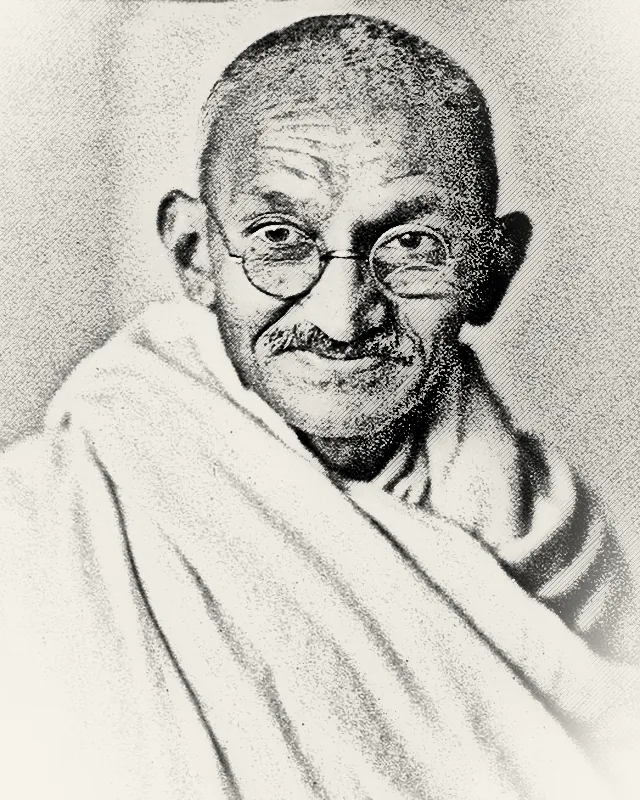
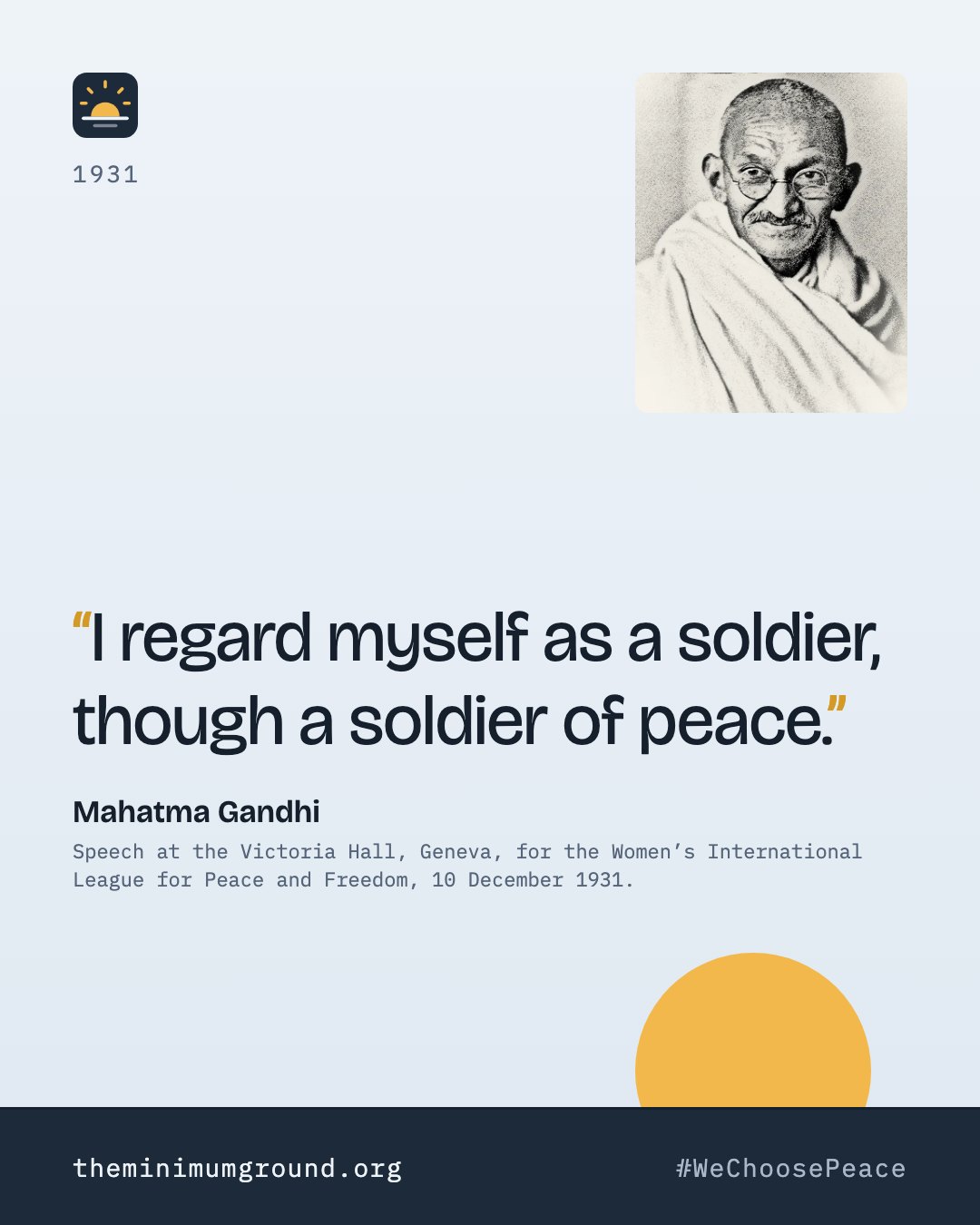
1931
I regard myself as a soldier, though a soldier of peace.
Mahatma GandhiLeader of India’s non-violent independence movement (1869–1948)
Speech at the Victoria Hall, Geneva, for the Women’s International League for Peace and Freedom, 10 December 1931. Transcript and recording
-
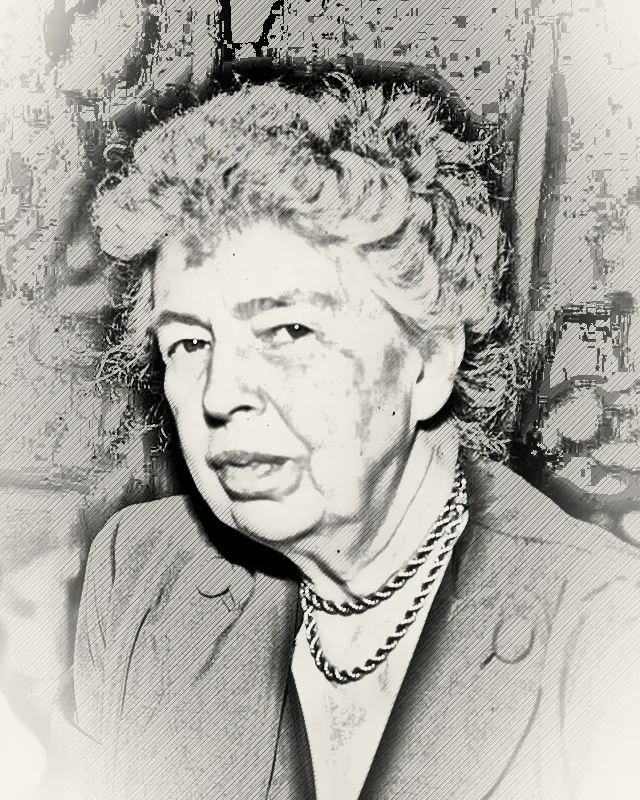
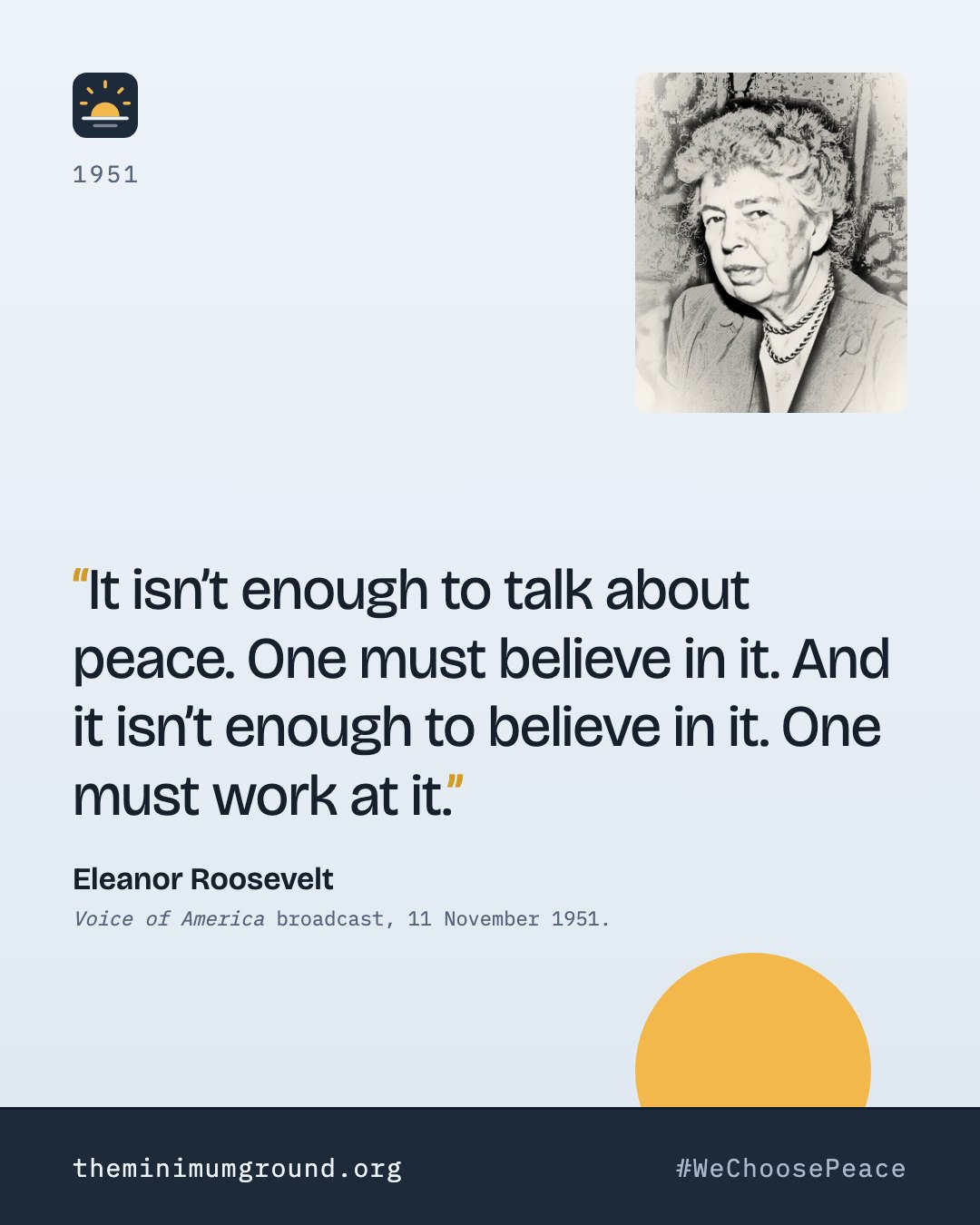
1951
It isn’t enough to talk about peace. One must believe in it. And it isn’t enough to believe in it. One must work at it.
Eleanor RooseveltUS First Lady from 1933 to 1945, then chair of the UN commission that drafted the Universal Declaration of Human Rights (1884–1962)
Voice of America broadcast, 11 November 1951. Source listing
-
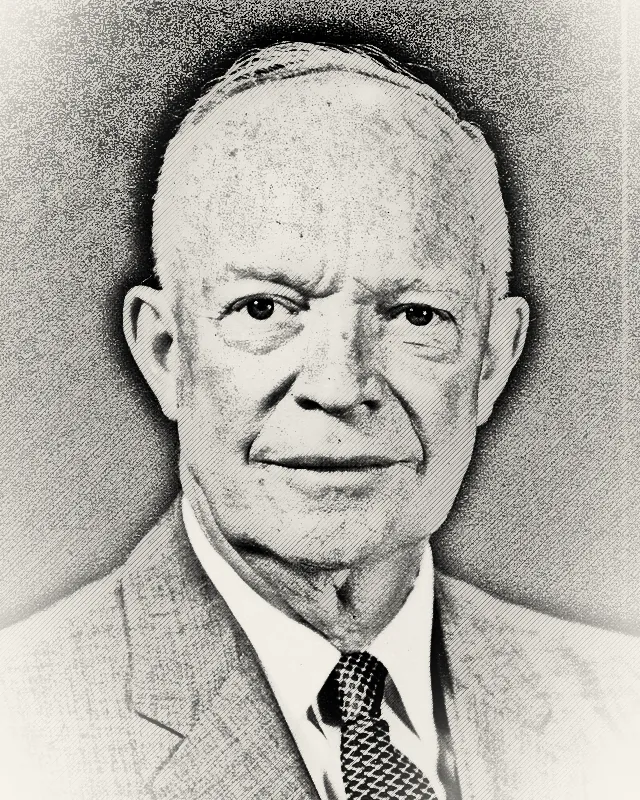
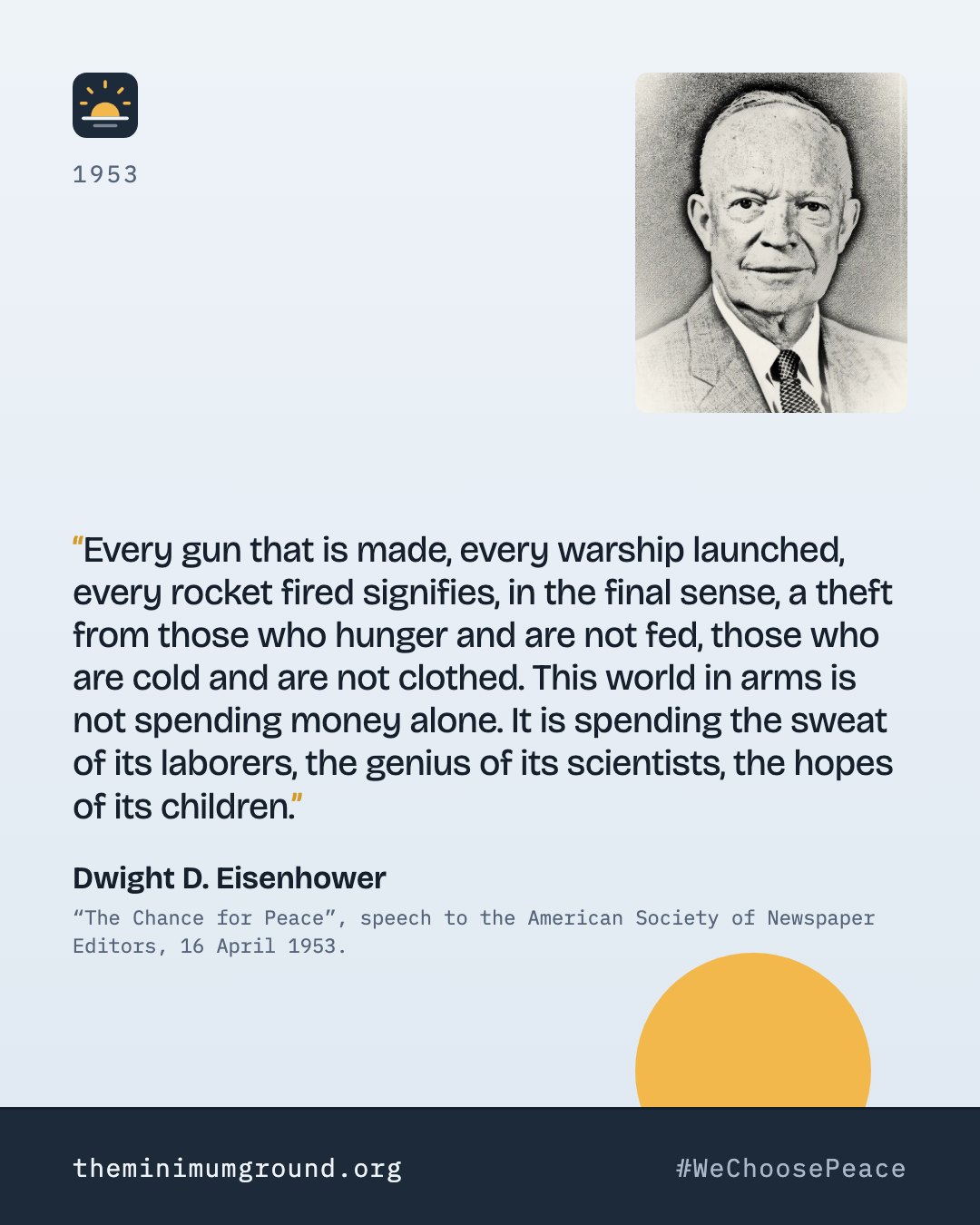
1953
Every gun that is made, every warship launched, every rocket fired signifies, in the final sense, a theft from those who hunger and are not fed, those who are cold and are not clothed. This world in arms is not spending money alone. It is spending the sweat of its laborers, the genius of its scientists, the hopes of its children.
Dwight D. EisenhowerSupreme Allied Commander in Europe during the Second World War, then 34th President of the United States (1890–1969)
“The Chance for Peace”, speech to the American Society of Newspaper Editors, 16 April 1953. Eisenhower Presidential Library
-
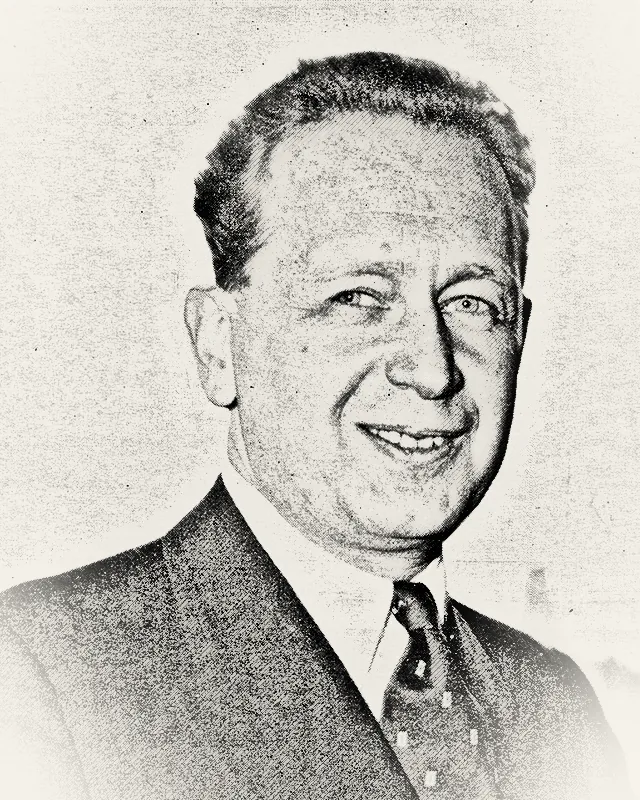
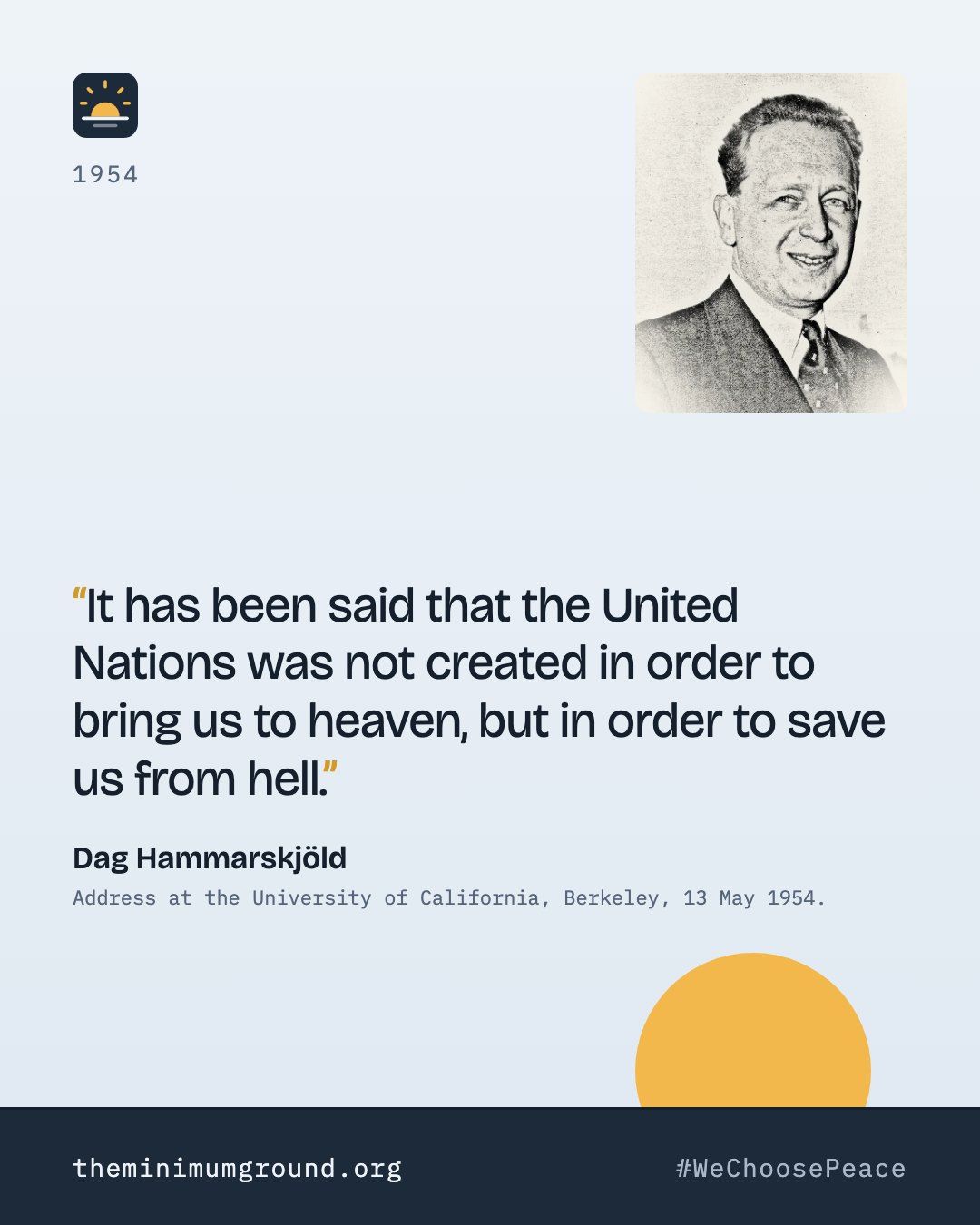
1954
It has been said that the United Nations was not created in order to bring us to heaven, but in order to save us from hell.
Dag HammarskjöldSwedish diplomat, second Secretary-General of the United Nations, awarded the Nobel Peace Prize after his death (1905–1961)
Address at the University of California, Berkeley, 13 May 1954. UN Digital Library
-
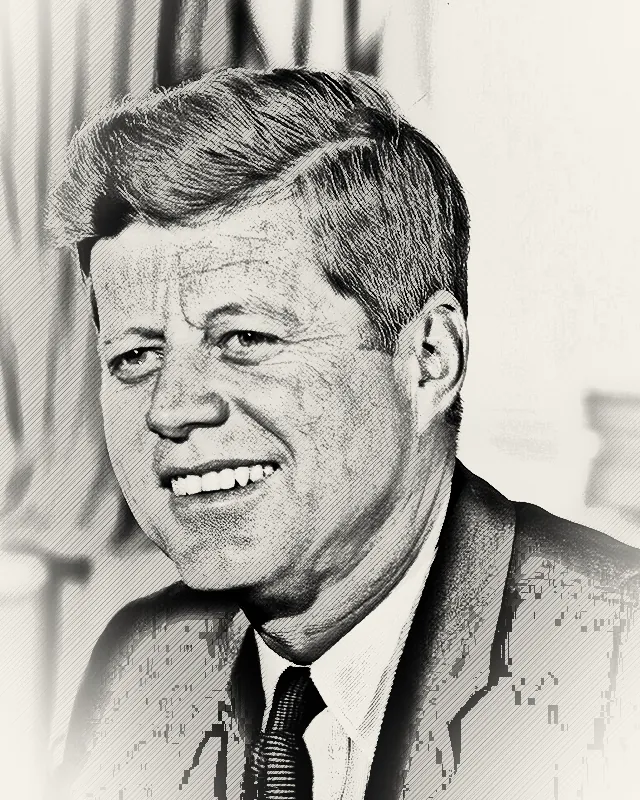
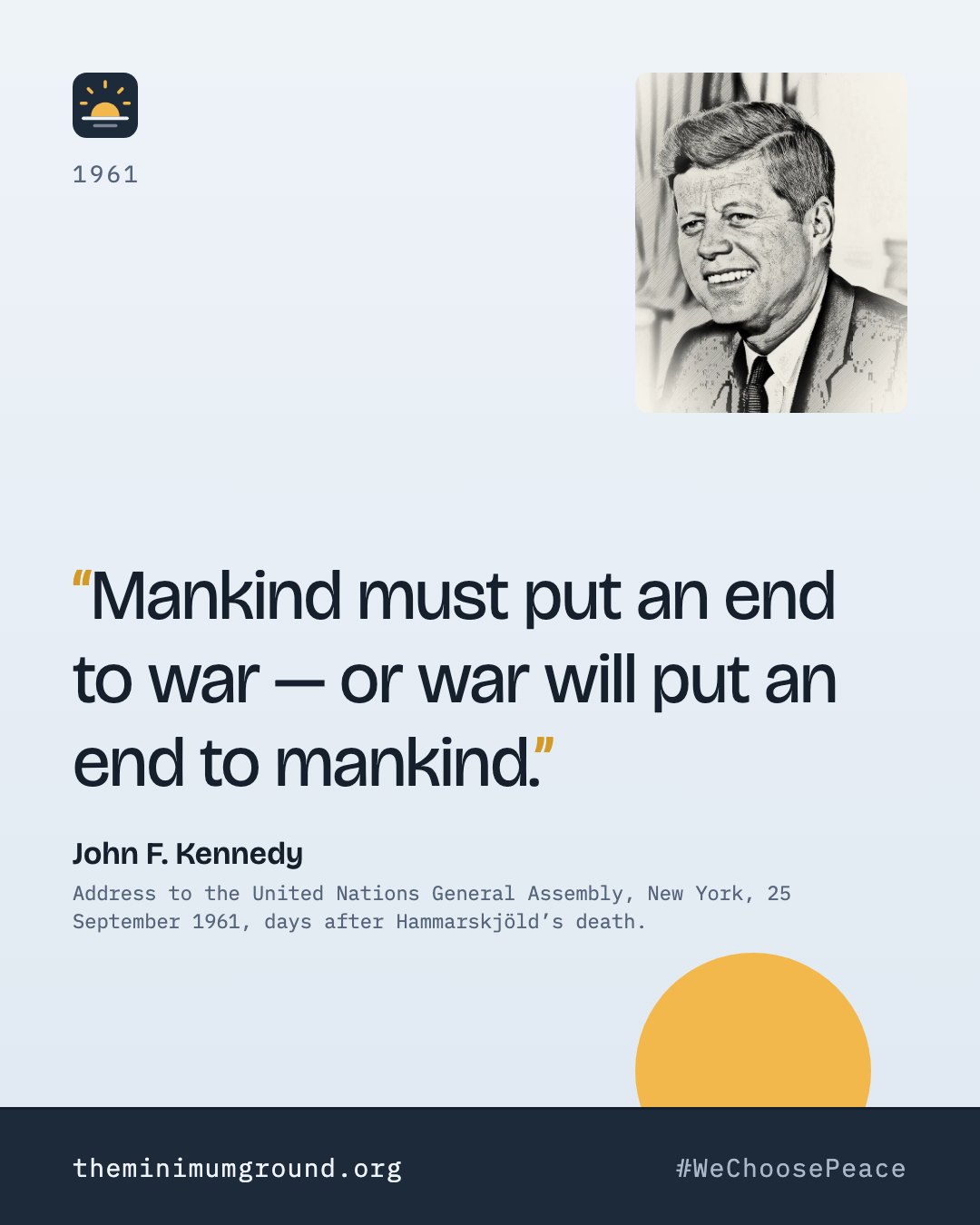
1961
Mankind must put an end to war — or war will put an end to mankind.
John F. Kennedy35th President of the United States (1917–1963)
Address to the United Nations General Assembly, New York, 25 September 1961, days after Hammarskjöld’s death. Source listing
-
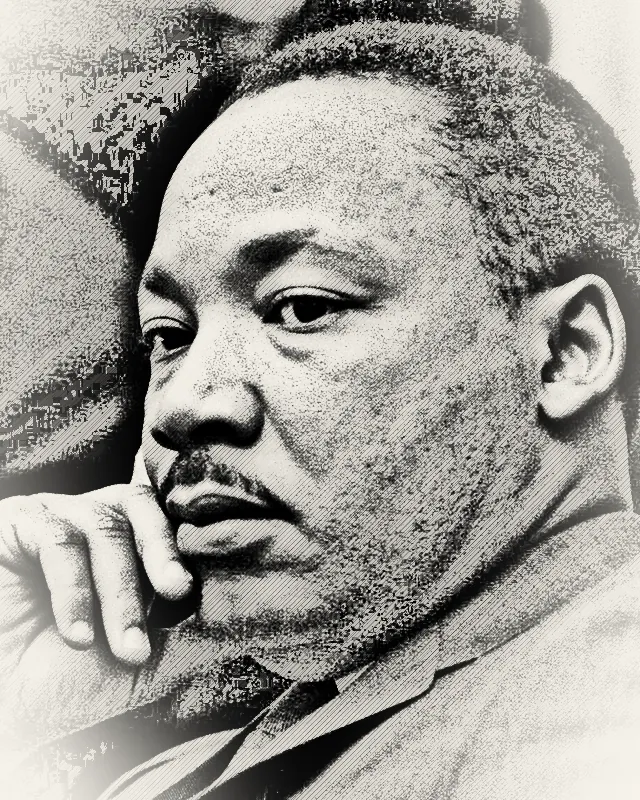
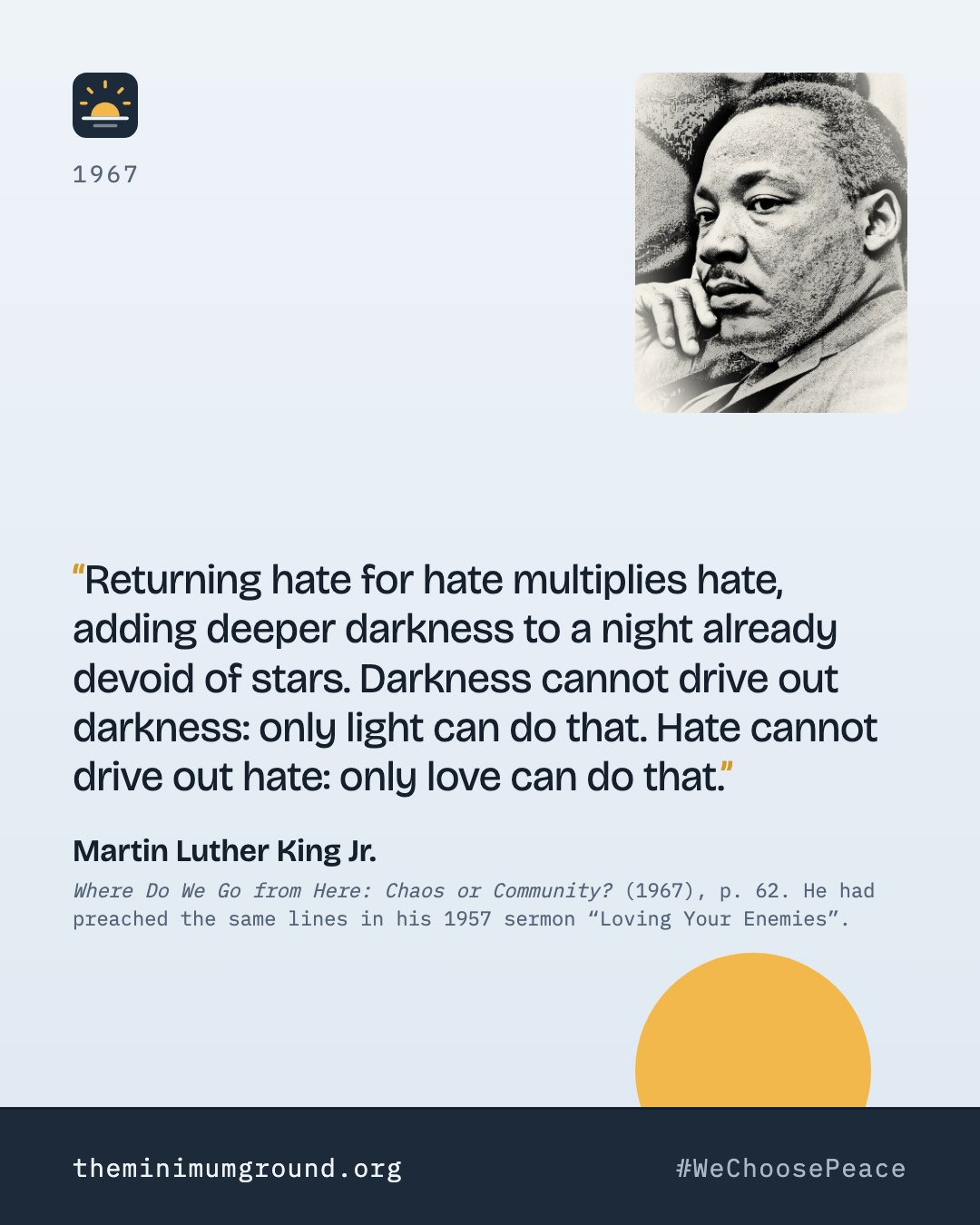
1967
Returning hate for hate multiplies hate, adding deeper darkness to a night already devoid of stars. Darkness cannot drive out darkness: only light can do that. Hate cannot drive out hate: only love can do that.
Martin Luther King Jr.American civil rights leader and Nobel Peace Prize laureate, 1964 (1929–1968)
Where Do We Go from Here: Chaos or Community? (1967), p. 62. He had preached the same lines in his 1957 sermon “Loving Your Enemies”. Source listing
-
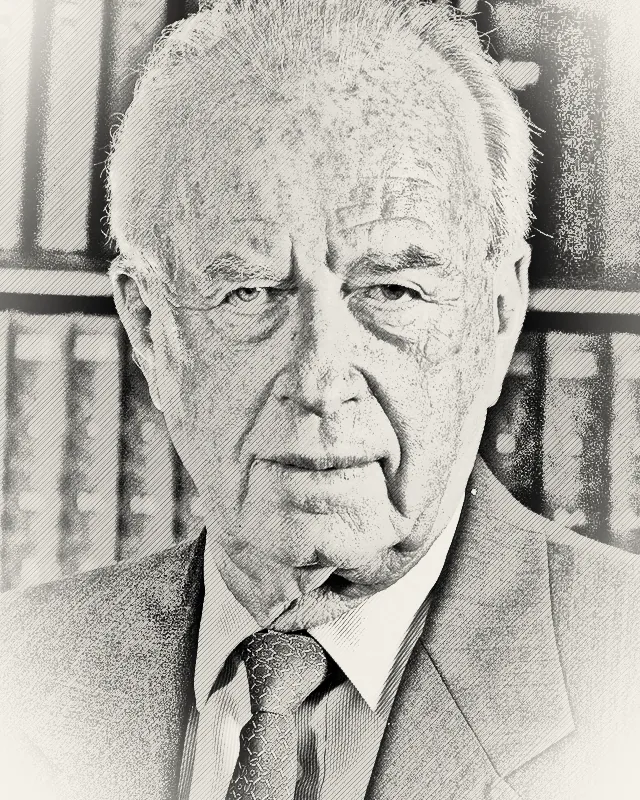
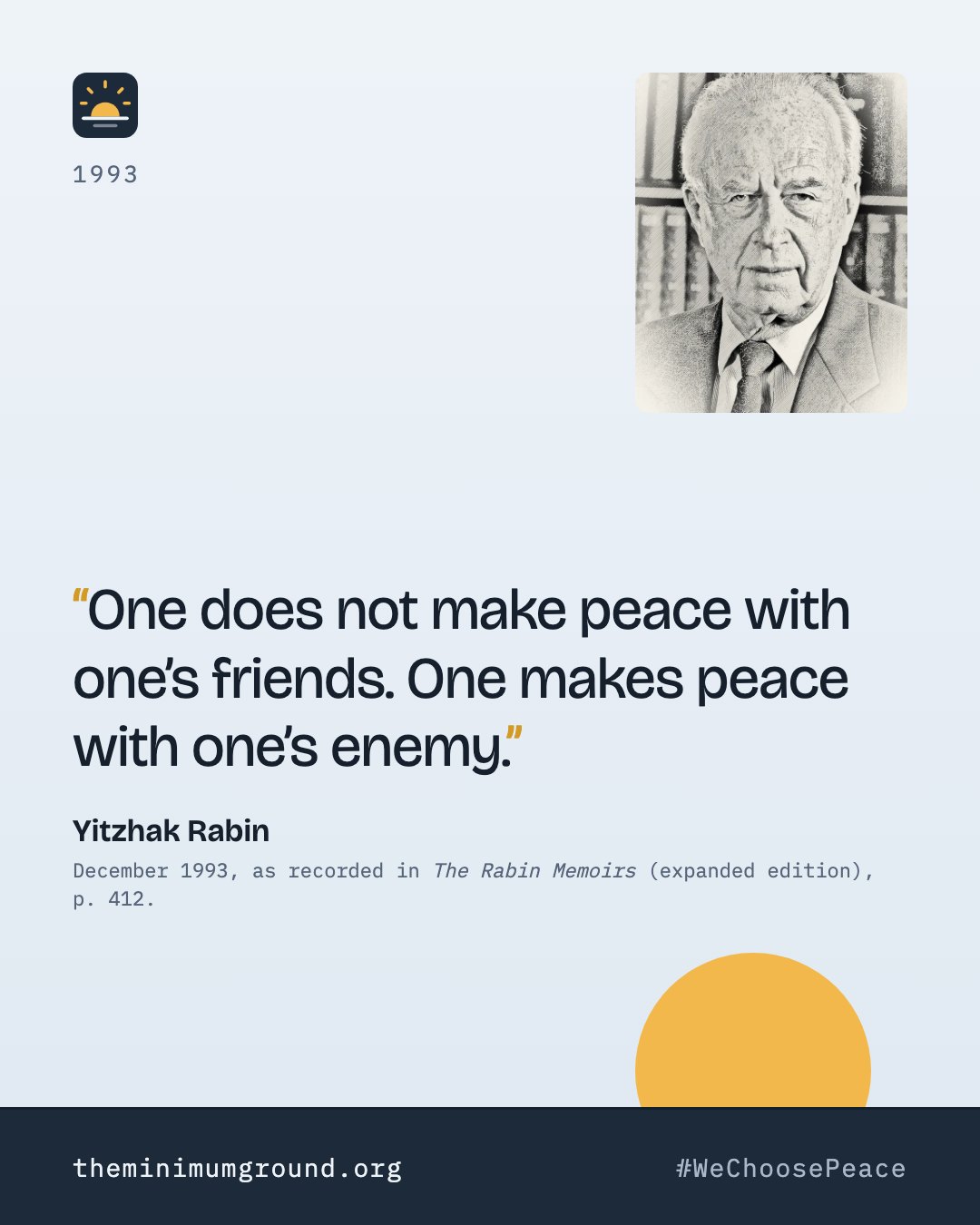
1993
One does not make peace with one’s friends. One makes peace with one’s enemy.
Yitzhak RabinPrime Minister of Israel and Nobel Peace Prize laureate, 1994, killed by an opponent of the peace process (1922–1995)
December 1993, as recorded in The Rabin Memoirs (expanded edition), p. 412. Source listing
-
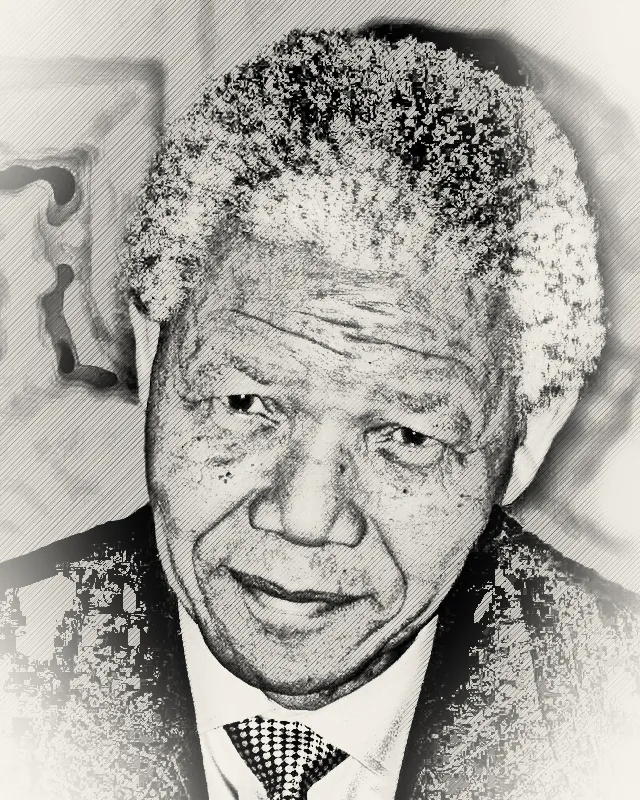
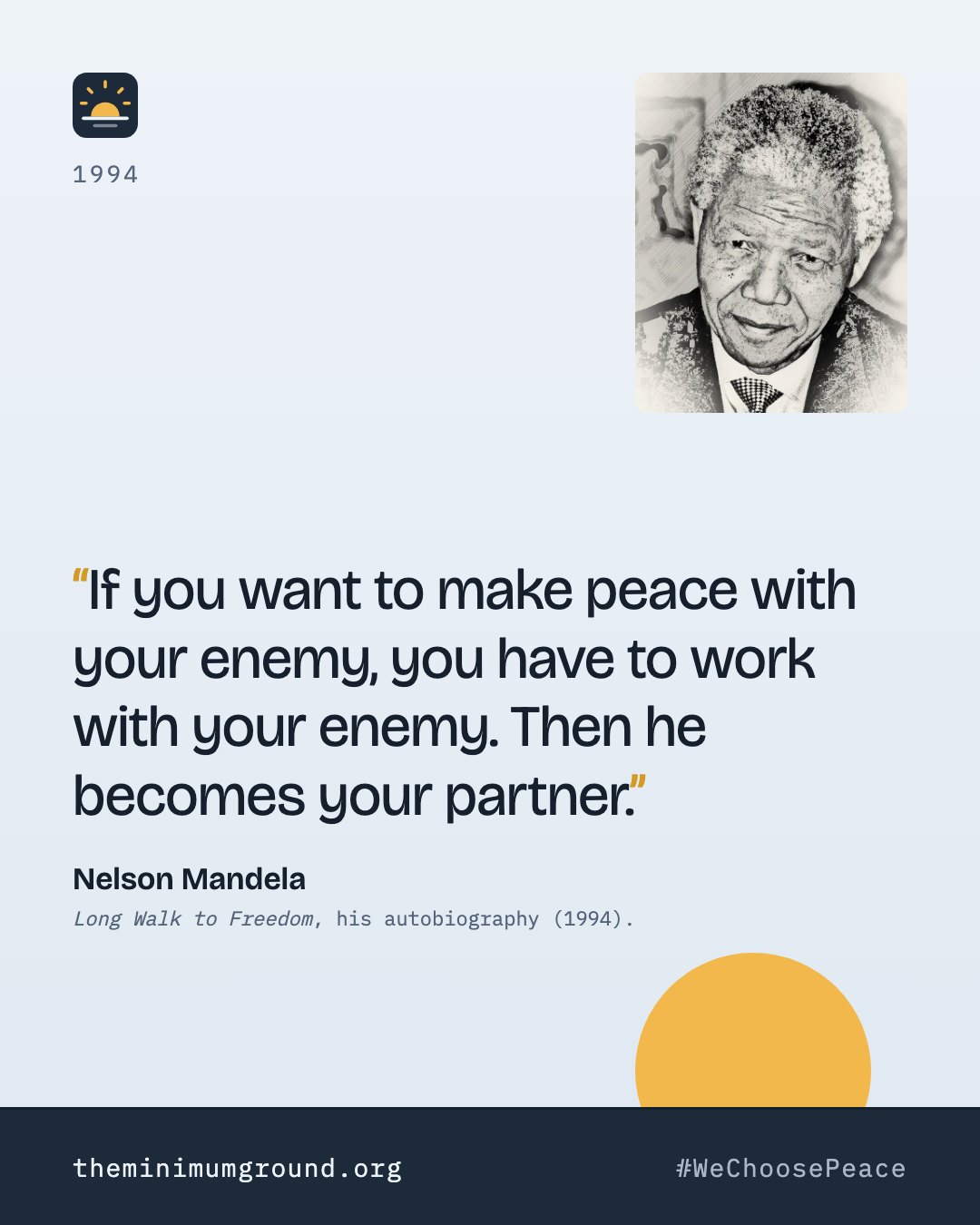
1994
If you want to make peace with your enemy, you have to work with your enemy. Then he becomes your partner.
Nelson MandelaFirst President of democratic South Africa and Nobel Peace Prize laureate, 1993 (1918–2013)
Long Walk to Freedom, his autobiography (1994). Source listing
-
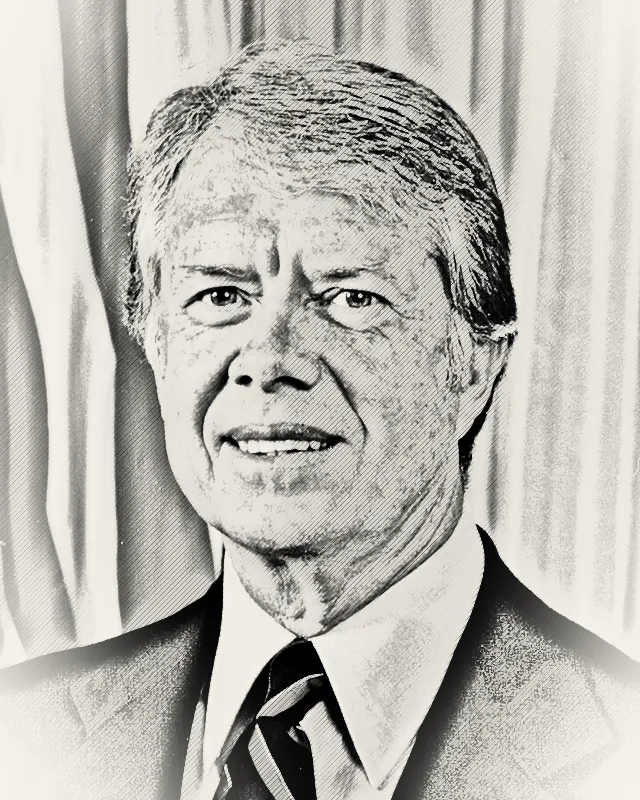
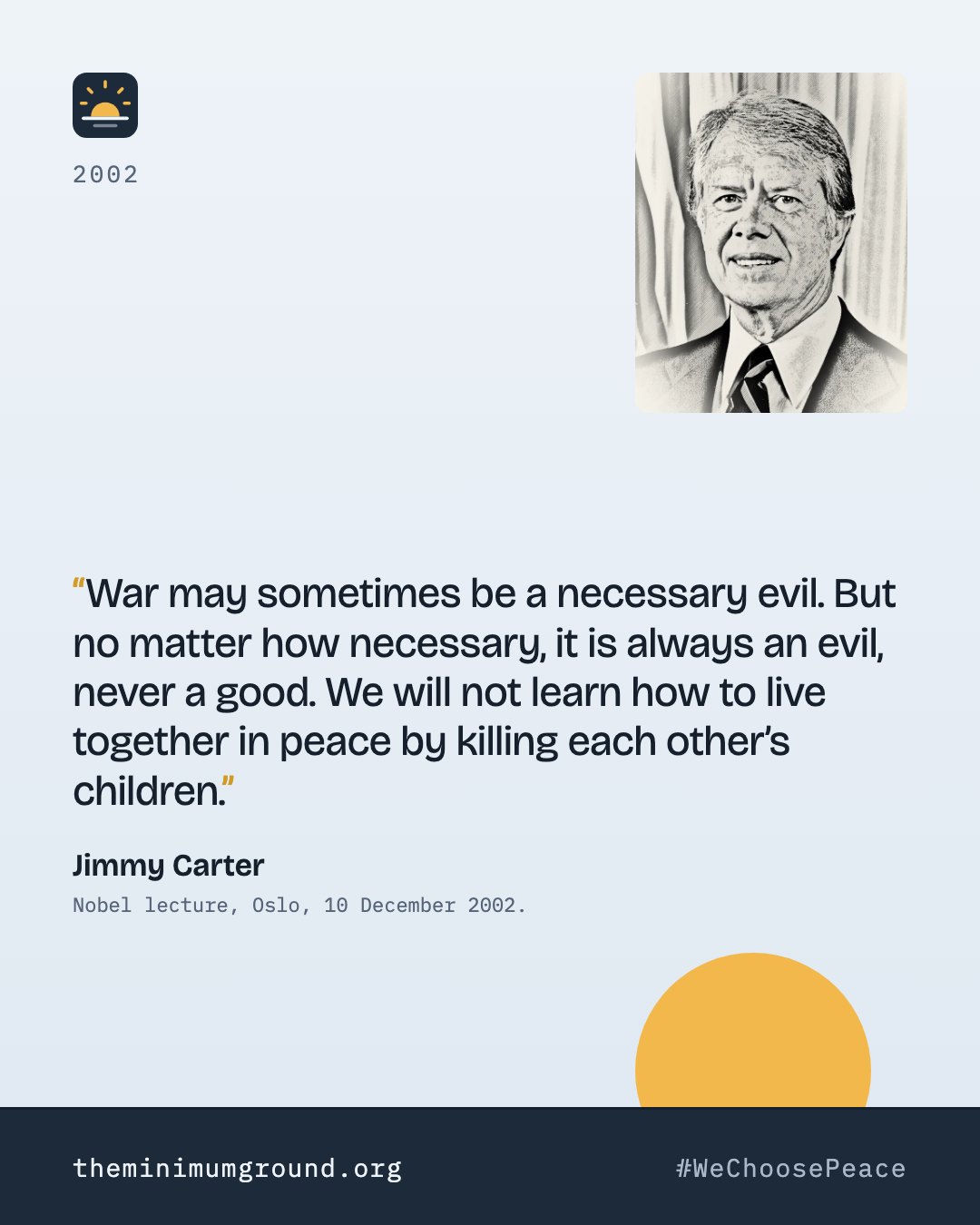
2002
War may sometimes be a necessary evil. But no matter how necessary, it is always an evil, never a good. We will not learn how to live together in peace by killing each other’s children.
Jimmy Carter39th President of the United States, broker of the 1978 Camp David Accords (1924–2024)
Nobel lecture, Oslo, 10 December 2002. Read the lecture
-
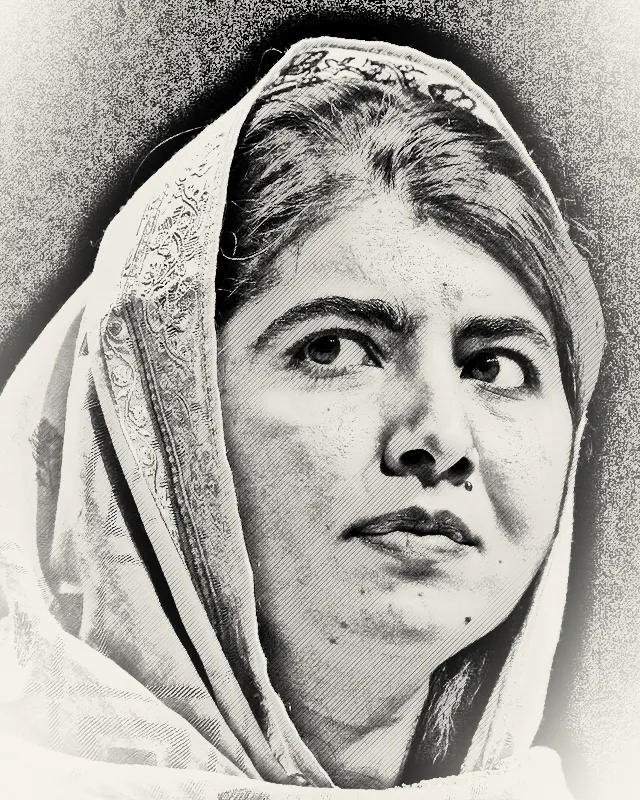
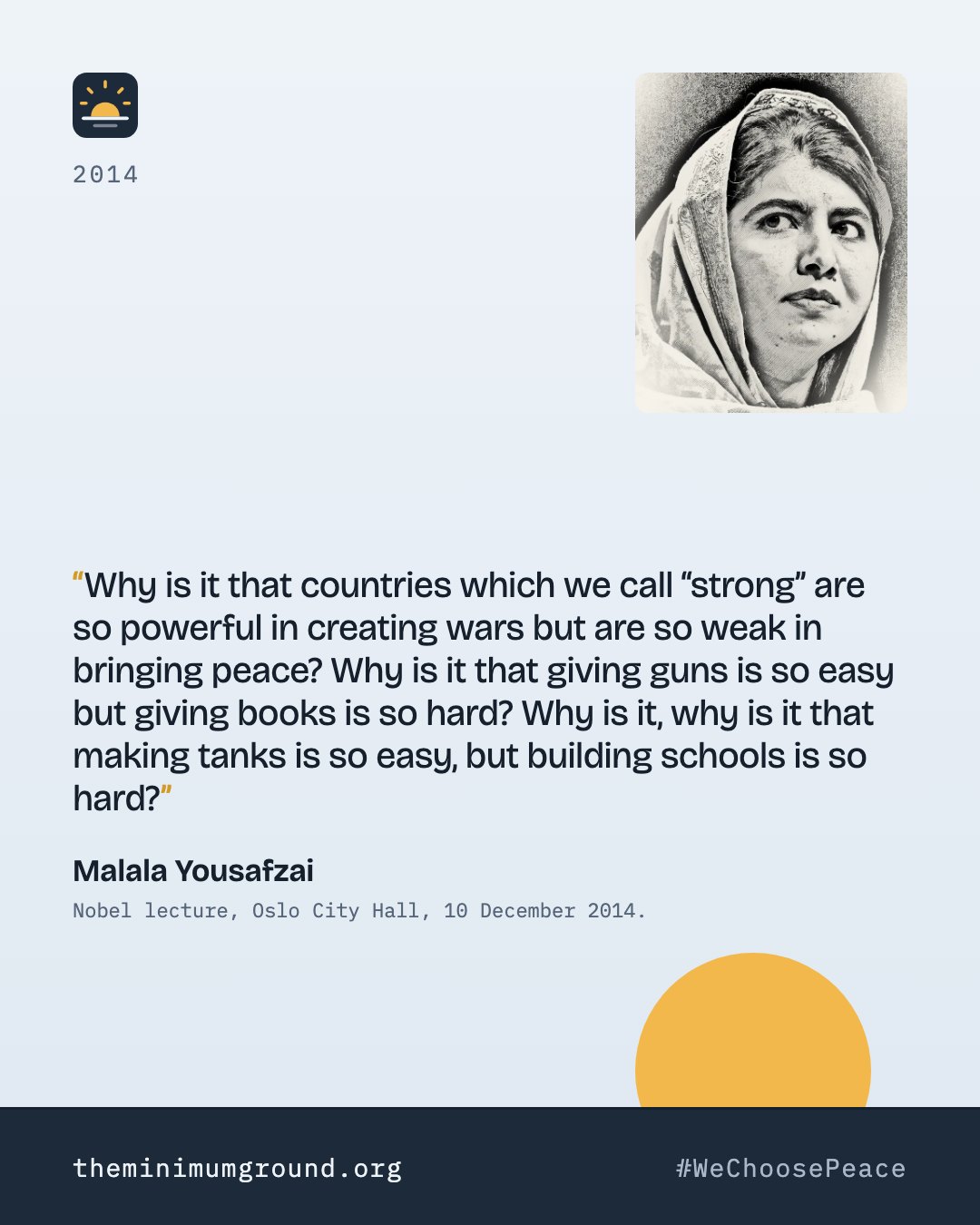
2014
Why is it that countries which we call “strong” are so powerful in creating wars but are so weak in bringing peace? Why is it that giving guns is so easy but giving books is so hard? Why is it, why is it that making tanks is so easy, but building schools is so hard?
Malala YousafzaiPakistani campaigner for girls’ education, the youngest Nobel Peace Prize laureate (born 1997)
Nobel lecture, Oslo City Hall, 10 December 2014. Read the lecture
-
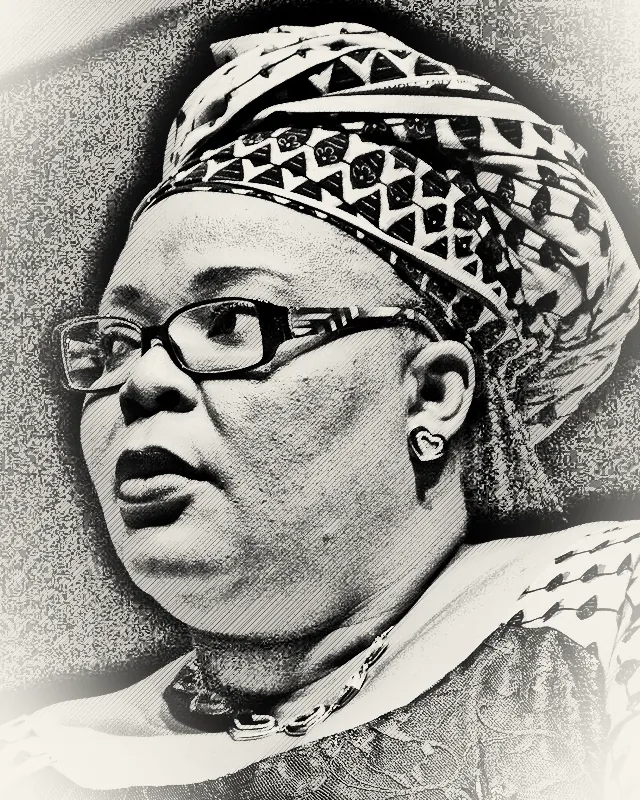
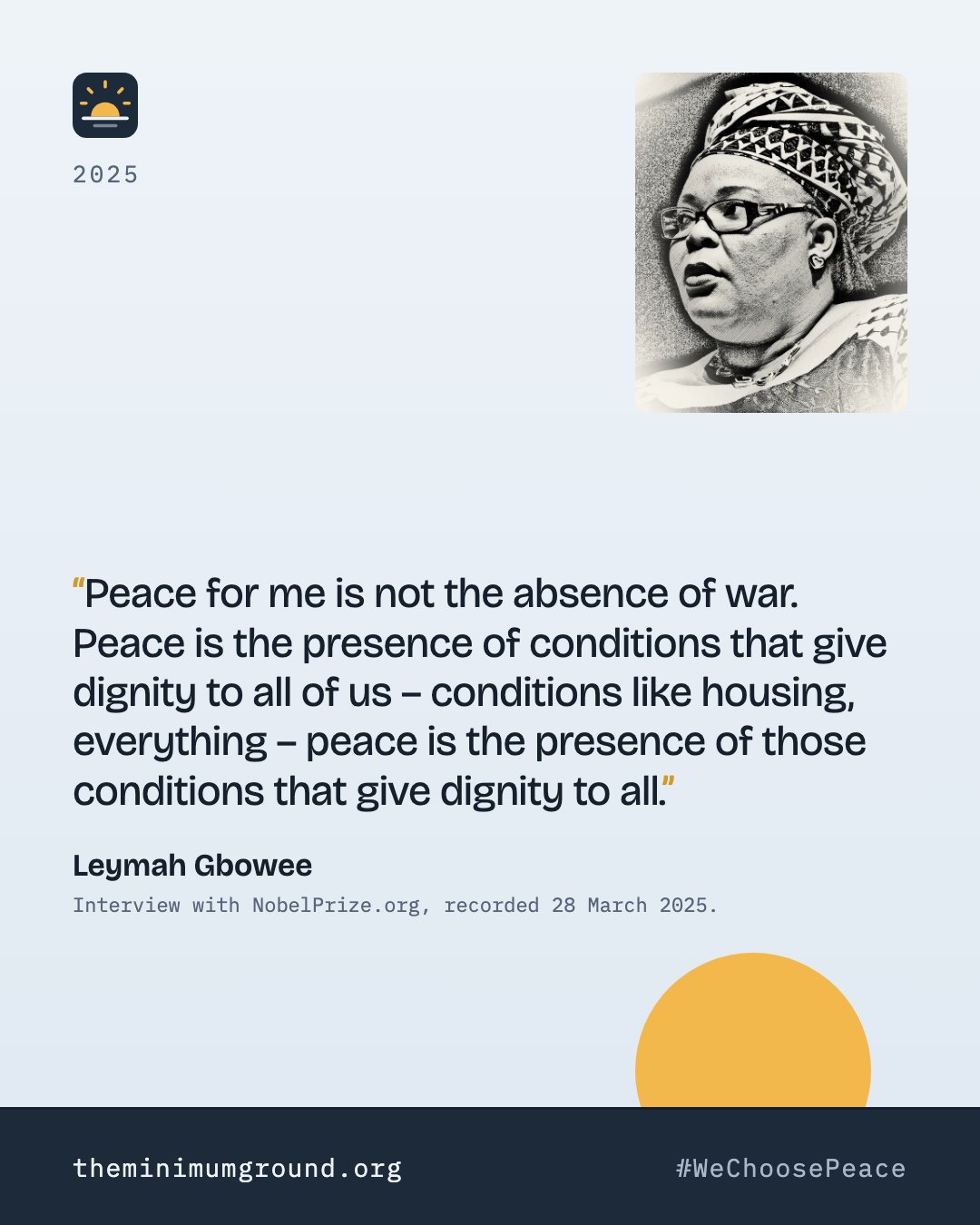
2025
Peace for me is not the absence of war. Peace is the presence of conditions that give dignity to all of us – conditions like housing, everything – peace is the presence of those conditions that give dignity to all.
Leymah GboweeLiberian peace activist who led the women’s movement that helped end Liberia’s civil war, Nobel Peace Prize laureate, 2011 (born 1972)
Interview with NobelPrize.org, recorded 28 March 2025. Read the transcript


.jpg)
(3).jpg)


.jpg)
.jpg)

.jpg)

_(cropped).jpg)